The Short Version
To build an email list, you need four things: an email platform, a specific reason for people to subscribe, signup forms or a landing page where your audience already is, and a welcome sequence that delivers on your promise. Then you promote your offer consistently.
The most important of these is the reason to subscribe. "Join our newsletter" rarely works. "Get the one-page weekly meal planner" does, because people know exactly what they'll get.
And one rule above all: never buy a list. Every subscriber should choose to join. See buying email lists for why.
We'd set up a free AWeber account, build one landing page around a specific lead magnet and write a short welcome sequence before promoting anything. That simple system is enough to grow your first few hundred subscribers.
Step 1: Choose Your Email Platform
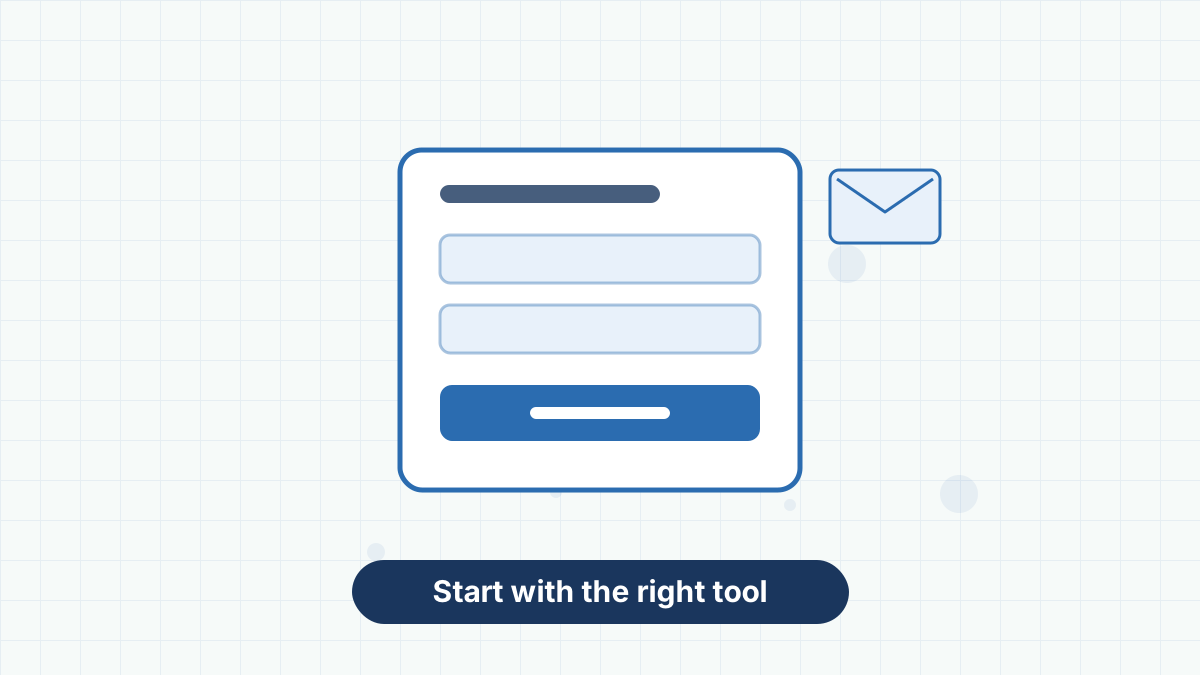
Your platform stores subscribers, hosts your forms and sends your emails. For list building, look for hosted landing pages (so you can collect subscribers without a website), embeddable forms, tags to track where people joined and at least one automation for your welcome sequence.
AWeber's free plan includes all of these for up to 500 subscribers. See how to choose email marketing software if you'd like to compare options.
Step 2: Create a Reason to Subscribe
People trade their email address for something specific and immediately useful. That's your lead magnet. The best ones solve one small problem quickly:
- A checklist or cheat sheet.
- A template they can copy.
- A short guide or resource list.
- A discount or first-order offer for shops.
- A short email course delivered over a few days.
- Early access or a waitlist for something you're launching.
Match the offer to the people you want on your list. A florist might offer a seasonal bouquet care guide; a bookkeeper might offer a tax-deadline calendar. Our lead magnet ideas list has dozens more.
Step 3: Build Your Signup Spots
You need at least one place for people to join. Most businesses use two:
A focused page about your offer with a signup form. Share its link anywhere. See AWeber landing pages.
Forms at the end of blog posts, in your footer, on your homepage and on a resources page. See signup form best practices.
Tag subscribers by where they joined, so you can see which spots work best and send the right follow-up.
Step 4: Write Your Welcome Sequence
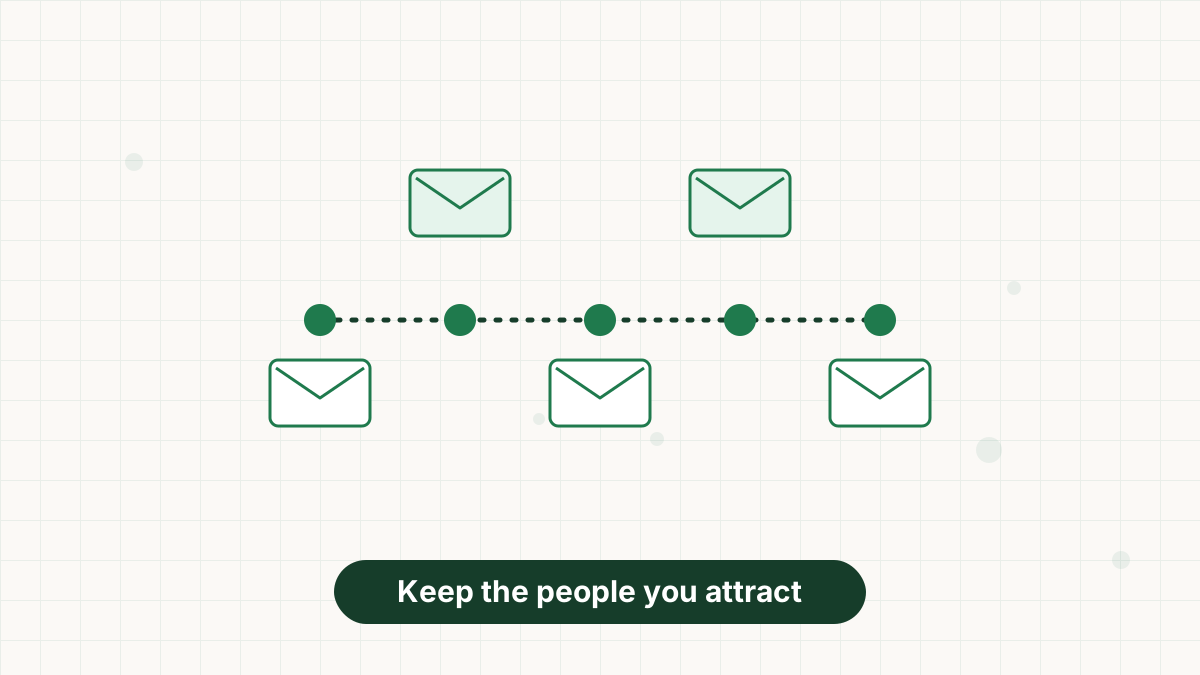
List building isn't finished when someone signs up. A welcome sequence delivers what you promised, introduces you and gives new subscribers a reason to keep opening.
Three emails over the first week is a good start: deliver the offer immediately, share your most useful tip a couple of days later, then suggest a next step. See welcome email sequence.
20 Ways to Grow Your List
Once the system is in place, promote it. Pick a few tactics that fit your business and do them consistently rather than trying everything at once.
On Your Website
- Add a form after every blog post. Readers who finish an article are your warmest visitors.
- Offer content upgrades tied to specific posts, such as a checklist for a how-to article.
- Create a resources page listing your free downloads, each with its own form.
- Use a gently timed popup that appears after someone has read for a while.
- Put a signup offer on your homepage, above the fold.
- Add a signup option at checkout for online stores, with a clear opt-in box.
On Social Media and Content Platforms
- Link your landing page in every social bio.
- Mention your offer at the end of videos and podcasts, with the link in the description.
- Pin a post about your lead magnet to the top of your profiles.
- Run a free live session with registration by email.
- Repurpose your best content into a teaser that leads to the full resource by email.
See grow your email list with social media for platform-specific ideas.
Offline and Partnerships
- Collect emails at the counter or events with a tablet or QR code linking to your landing page.
- Add a QR code to packaging, receipts and flyers.
- Guest on podcasts or blogs and offer your lead magnet instead of a homepage link.
- Partner with a complementary business to promote each other's free resources.
- Host a joint webinar with a partner and share registrations, with clear consent.
From Your Existing Email
- Add a signup link to your email signature.
- Invite past customers to opt in, rather than adding them without permission.
- Ask subscribers to forward your newsletter with a "subscribe here" link for new readers.
- Run a referral incentive, such as a bonus resource for each friend who joins.
How Fast Should Your List Grow?
There's no universal benchmark worth chasing. A local business might add a handful of subscribers a week; a blogger with steady traffic might add dozens a day. What matters is that your list grows steadily and that new subscribers engage.
Track three numbers monthly: new subscribers, the signup rate on your main page and unsubscribes from your welcome sequence. If signups are low, make your offer more specific; if unsubscribes are high, check that your welcome emails match what you promised.
Mistakes That Slow List Growth
- A vague offer. "Subscribe for updates" gives people no reason to act.
- Hidden forms. If people have to hunt for your signup, they won't.
- Too many fields. Ask for an email address and, at most, a first name.
- No follow-up. Subscribers who hear nothing for weeks forget why they joined.
- Importing contacts without consent. It damages deliverability and can break the rules. See how to import an email list.
Keep the List Healthy as It Grows

A bigger list isn't automatically better. Subscribers who never open hurt deliverability and, on subscriber-priced plans, cost money. Every few months, run a re-engagement campaign and remove people who don't respond.
You'll also want to authenticate your sending domain so growing volumes reach the inbox. See email list hygiene and SPF, DKIM and DMARC setup.
AWeber's free plan includes a hosted landing page, signup forms and a welcome automation for your first 500 subscribers.
Building an Email List FAQs
How do I build an email list from scratch?
Choose an email platform, create a specific lead magnet, build a landing page and forms, write a welcome sequence and promote your offer consistently.
Can I build an email list without a website?
Yes. Use a hosted landing page and share its link on social media, in videos, podcasts and in person.
How long does it take to build an email list?
It varies by audience and promotion. Consistent promotion of a strong offer matters more than any single tactic.
Should I buy an email list to grow faster?
No. Purchased lists damage deliverability and break the permission rules email depends on.