Flows First, Campaigns Second
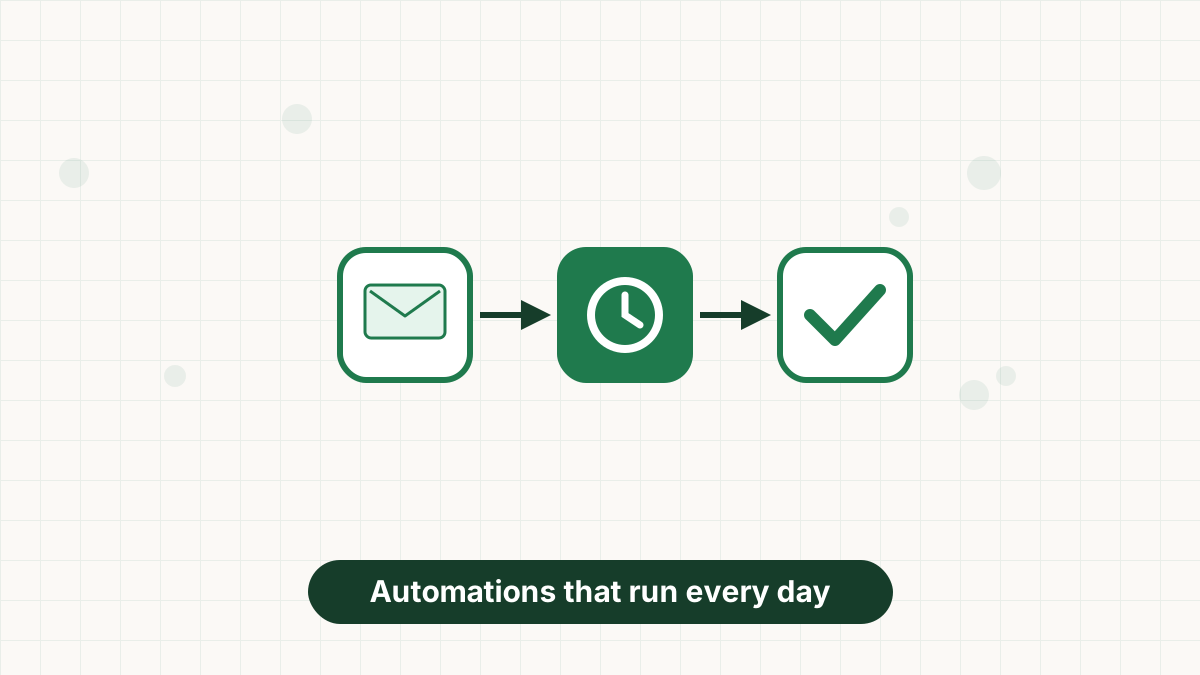
Ecommerce email has two parts. Flows are automated emails triggered by what shoppers do, such as joining, leaving a cart or buying. Campaigns are the newsletters and promotions you send to your list.
Flows usually deserve your attention first, because they work for every shopper, every day, once they're set up. Campaigns then add seasonal and promotional revenue on top.
We'd set up three flows before anything else: a welcome series with a first-order incentive, an abandoned cart reminder and a post-purchase sequence. Then add a weekly or fortnightly campaign.
The Essential Flows
| Flow | Trigger | What it does |
|---|---|---|
| Welcome series | Signup | Introduces your brand, delivers the incentive, shows bestsellers |
| Abandoned cart | Items left in cart | Reminds shoppers and answers hesitations |
| Post-purchase | First order | Thanks, sets delivery expectations, shares care tips, asks for a review |
| Browse abandonment | Product viewed, no cart | A gentle nudge about what they looked at |
| Repeat purchase | Time since order | Reminds customers to restock consumables |
| Win-back | No purchase in a set period | Invites lapsed customers back |
See abandoned cart emails, welcome email sequence and email automation workflows.
Campaign Ideas
- New arrivals and back-in-stock announcements.
- Seasonal collections and gift guides.
- Sales and events, with real deadlines.
- How-to content: styling tips, recipes, care guides.
- Customer favorites and bestseller roundups.
- Behind the scenes: how products are made or sourced.
See email marketing calendar to plan the year.
Growing a Store's List
- A first-order offer, such as free shipping or a small discount. See lead magnet ideas.
- A timed popup on product pages, easy to close on mobile.
- Checkout opt-in with a clear, unticked box.
- Packaging inserts and QR codes for in-person sales.
- Quizzes that recommend products and tag preferences.
Segment by Behavior
- Subscribers vs customers, so first-order offers go to non-buyers.
- Product interest, based on clicks and purchases.
- Repeat customers, who deserve loyalty recognition.
- Lapsed customers, for win-back campaigns.
See email segmentation.
Choosing Ecommerce Email Tools
Look for store integration, behavior-based triggers, product blocks, segmentation and revenue reporting.
AWeber integrates with store platforms such as Shopify and WooCommerce, lists abandoned cart emails among its features and includes its own ecommerce tools for selling products and subscriptions through Stripe. That suits small and growing stores that also value easy design, AI writing help and 24/7 support. See AWeber ecommerce.
If your store depends on deep product data, predictive analytics and highly complex flows, an ecommerce specialist may suit you better. See AWeber vs Klaviyo for an honest comparison.
Metrics for Stores
Track revenue per email, flow revenue, repeat purchase rate and unsubscribe and complaint rates after promotions. See email marketing metrics and email marketing ROI.
Connect your store to AWeber, build welcome and post-purchase flows and send campaigns with product-friendly templates.
Ecommerce Email Marketing FAQs
What emails should an online store send?
Start with welcome, abandoned cart and post-purchase flows, then add regular campaigns.
How often should an online store email customers?
Weekly to fortnightly campaigns are common, with flows running automatically.
Does AWeber work with Shopify?
Yes. AWeber integrates with Shopify and other store platforms.
Is AWeber or Klaviyo better for ecommerce?
AWeber suits small and growing stores; Klaviyo suits data-heavy stores that need advanced ecommerce automation.