Why Email Works in Real Estate
Buying or selling a home is a long decision. A lead who contacts you today might not be ready for months. Email lets you stay helpful and visible during that time without constant phone calls.
It's also the easiest way to stay in touch with past clients, who are a major source of repeat business and referrals.
Who You're Emailing
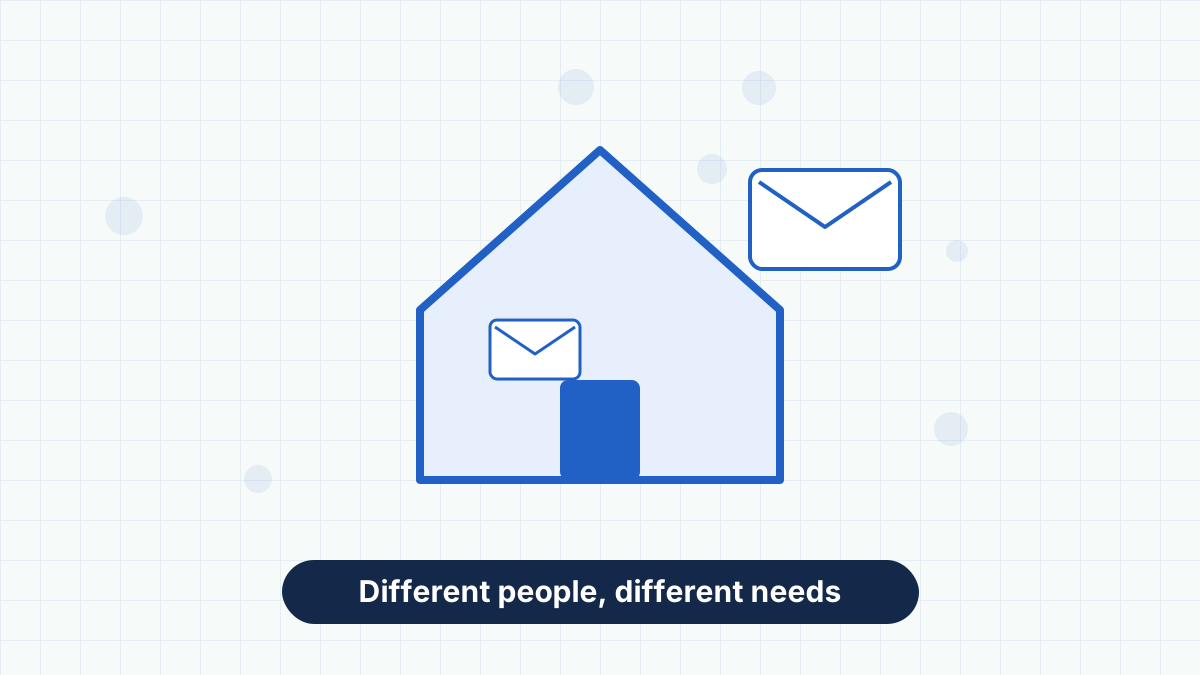
Want listings, neighborhood information and guidance on the buying process.
Want market updates, valuation insights and advice on preparing a home.
Appreciate home maintenance tips, local news and anniversary check-ins.
Friends, family and contacts who might refer you.
Segment by these groups so each gets relevant emails. Avoid segmenting in ways that could raise fair housing concerns, such as by protected characteristics. This isn't legal advice; follow the rules that apply to you.
Emails Worth Sending
- A welcome sequence for new leads that explains how you work and what to expect.
- Buyer and seller guides delivered as lead magnets, such as a first-time buyer checklist. See lead magnet ideas.
- Monthly market updates with local trends you can verify from reliable sources.
- New listing announcements for interested buyers.
- Home anniversary emails for past clients.
- Seasonal home tips, such as winter maintenance checklists.
- Referral reminders, gently letting clients know you appreciate introductions.
Nurture Sequences for Leads
- Day 0: thank them and deliver the guide they requested.
- Day 3: share an overview of the process, buying or selling, step by step.
- Day 7: answer common questions or worries.
- Day 14: share how you help clients, with an invitation to talk.
- Ongoing: add them to your monthly market update.
See drip campaign and email automation workflows.
Keeping Past Clients Close
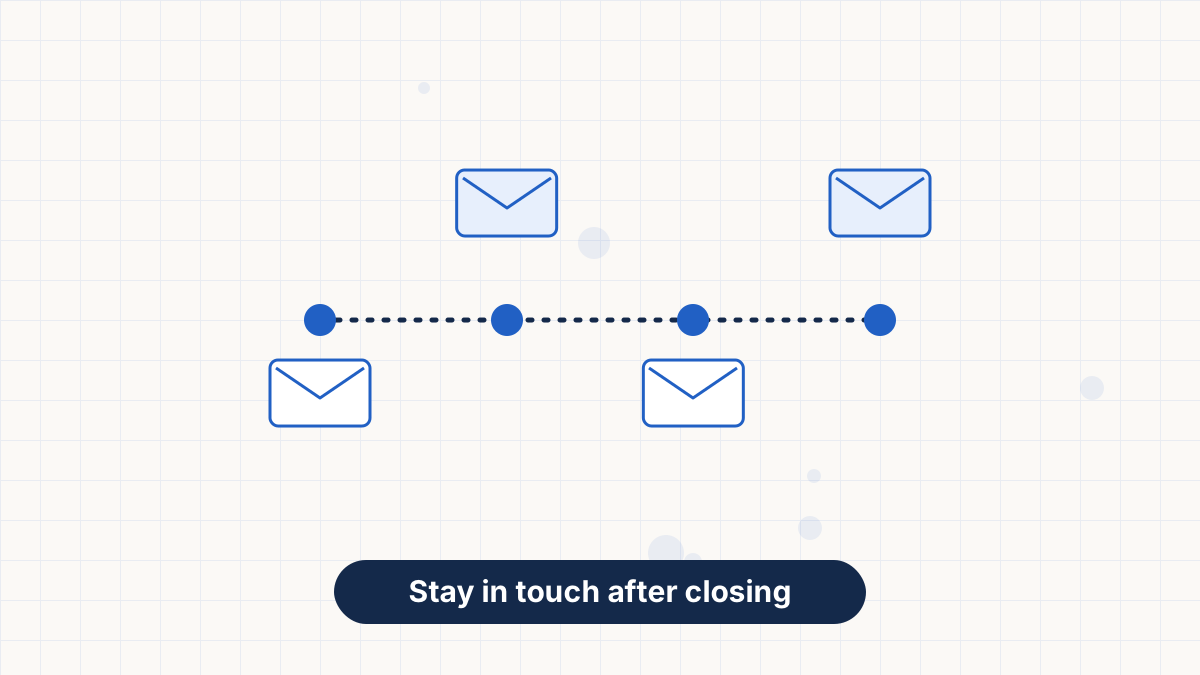
Past clients don't need sales emails. They need reasons to remember you: a home anniversary note, a seasonal maintenance tip, a local event roundup. When someone they know needs an agent, you're the name they think of.
Ask for referrals occasionally and thank people who send them.
Content Ideas
- Neighborhood spotlights with local businesses and amenities.
- "What your home is worth" invitations for valuation conversations.
- Market explainers in plain language.
- Home preparation checklists for sellers.
- Moving checklists for buyers.
See email newsletter ideas for more.
Tools for Agents
Many agents use a real estate CRM, an email platform or both. If you use an email platform, look for automation, tags for lead type and integrations with your CRM or lead sources.
AWeber's landing pages, tags and automations suit lead magnets, nurture sequences and segmented newsletters, and it integrates with many tools through its integrations and Zapier. See AWeber integrations.
Create a buyer or seller guide landing page and a nurture sequence with AWeber, starting on the free plan.
Real Estate Email FAQs
Is email marketing effective for real estate agents?
Yes. It keeps you in touch with leads during long decisions and with past clients for referrals.
What should real estate agents email about?
Market updates, listings, buying and selling guides, home tips and local news.
How often should agents send emails?
Monthly newsletters plus automated sequences for new leads is a good start.
What's a good lead magnet for real estate?
A first-time buyer checklist, a seller preparation guide or a neighborhood guide.