What an Email Strategy Really Is
An email marketing strategy is a handful of decisions that guide every email you send: what you want email to achieve, who you're writing to, what you'll send them, how often, and how you'll know it's working.
Without those decisions, email becomes random: a sale announcement here, a newsletter there, long silences in between. With them, each email builds on the last and your list becomes a dependable asset.
The good news is that a small business strategy fits on one page. This guide walks through each decision in order.
Step 1: Choose One Main Goal
Pick the single outcome that matters most for the next six months. Common choices are:
- More repeat customers for a shop or local business.
- More booked calls or consultations for a service business.
- More product sales for a creator or course seller.
- More readers and engagement for a blog, podcast or publication.
One goal keeps your emails focused. You can add secondary goals later, but if every email tries to do everything, none of them does anything well.
Step 2: Define Your Reader
Write a short description of the person you're emailing: what they want, what worries them and why they joined your list. If you have two distinct groups, such as customers and prospects, describe both.
This shapes everything from your subject lines to your offers. A busy parent who joined for quick dinner ideas wants different emails from a restaurant owner who joined for supplier news.
As your list grows, you'll turn these groups into segments so each gets relevant emails. See email segmentation.
Step 3: Decide How People Will Join
Your strategy needs a steady way to bring new people onto the list. That means a clear reason to subscribe and a place to do it.
Choose one main lead magnet, such as a checklist, guide, template or discount, that fits your goal. Then decide where you'll promote it: your website, social profiles, podcast, store counter or packaging. Our guides to building an email list and lead magnet ideas cover the options.
Step 4: Plan Your Email Mix
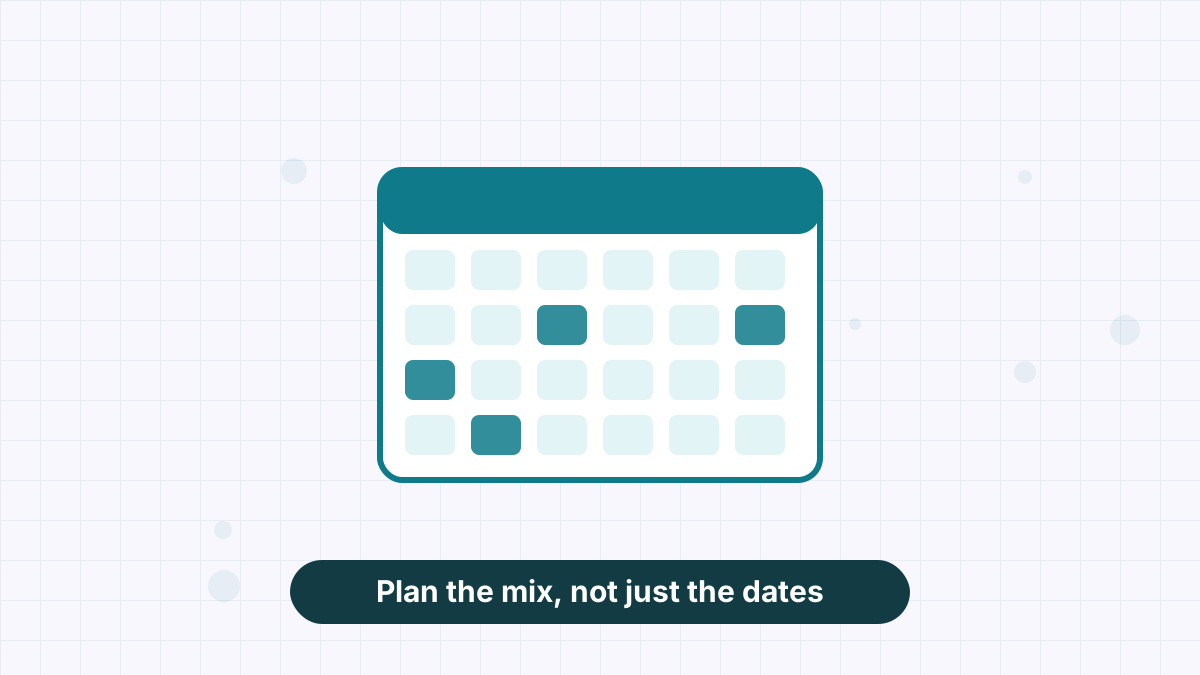
Most effective programs combine three kinds of email:
A welcome series for new subscribers, plus follow-ups for lead magnets or purchases. Write once, run forever.
Useful, consistent emails that keep the relationship warm. Weekly or every two weeks suits most small businesses.
Occasional promotions, launches or event announcements tied to your main goal.
A simple rule of thumb is to send mostly helpful emails, with promotions as the exception rather than the rule. Readers who trust you respond far better when you do make an offer. See types of marketing emails.
Step 5: Set a Sending Rhythm You Can Keep
Consistency matters more than frequency. A fortnightly newsletter you send for a year beats a weekly one you abandon after six weeks.
Choose a day and frequency, put it in your calendar and protect the time to write. An email marketing calendar helps you plan topics and promotions a month or two ahead. For more on frequency, see how often to send emails.
Step 6: Automate the Basics
Automation turns your strategy into something that runs while you work. Start with these, in order:
- Welcome sequence for every new subscriber.
- Lead magnet delivery for each offer you promote.
- Post-purchase follow-up for customers.
- Re-engagement for subscribers who've gone quiet.
Each one supports your main goal without extra weekly effort. See email automation workflows for recipes.
Step 7: Measure What Matters
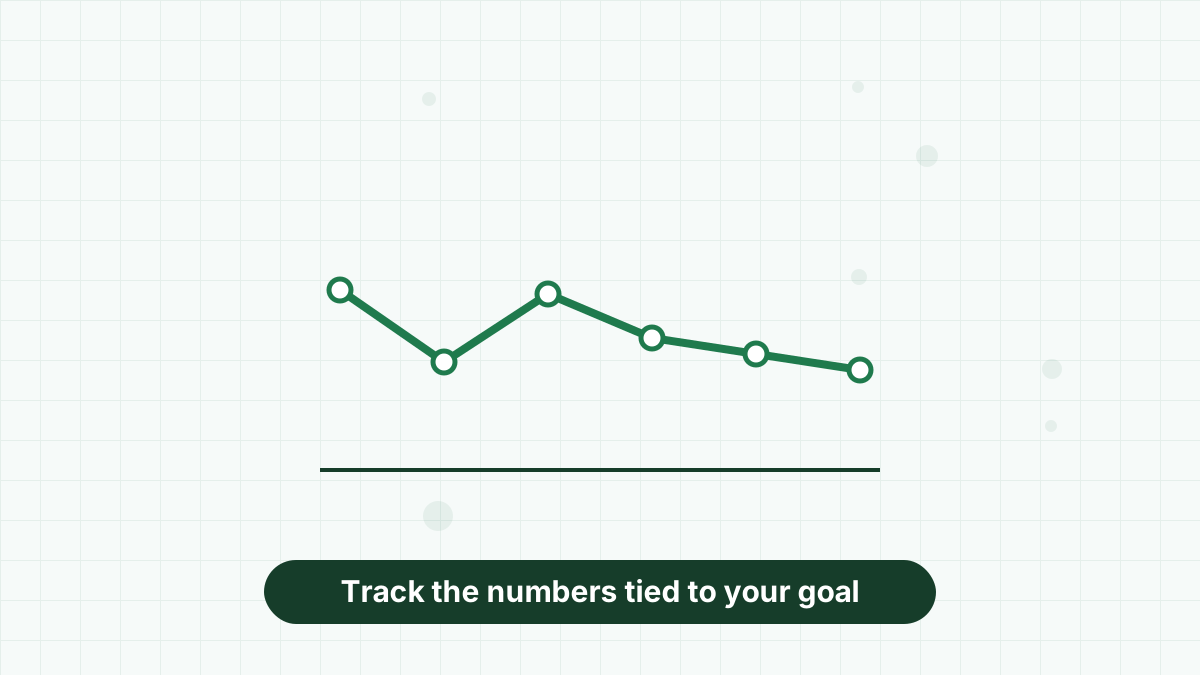
Choose two or three numbers tied to your goal and check them monthly. For sales goals, track revenue or bookings from email. For engagement goals, track clicks and replies. Always watch unsubscribes and spam complaints as warning signs.
Compare each month with your own previous months rather than industry averages. Our email marketing metrics guide explains which numbers to use at each stage, and email marketing ROI shows how to calculate return.
Choose Tools That Fit the Strategy
Your strategy determines the tools you need. Most small businesses need signup forms, a hosted landing page, automation, tags or segments and clear reporting.
AWeber covers all of these, with a free plan for up to 500 subscribers that includes a welcome automation. As your strategy grows, Plus adds unlimited automations and segments. See how to choose email marketing software.
Put your strategy into action with AWeber's free plan: forms, a landing page and a welcome sequence.
Try AWeber FreeA One-Page Strategy Template
| Decision | Your answer |
|---|---|
| Main goal (next 6 months) | e.g. 20 booked consultations a month |
| Who you're writing to | e.g. new homeowners planning a garden |
| Why they join | e.g. free seasonal planting checklist |
| Where you promote signup | e.g. website, Instagram bio, in-store QR code |
| Automated sequences | e.g. 4-email welcome series, post-consult follow-up |
| Newsletter rhythm | e.g. every other Tuesday |
| Key numbers | e.g. bookings from email, clicks, unsubscribes |
Review it every quarter, keep what works and change one thing at a time.
Start free with AWeber and set up your form, welcome sequence and first newsletter this week.
Email Marketing Strategy FAQs
What is an email marketing strategy?
A short set of decisions about your goal, audience, email mix, sending rhythm, automations and measurement.
How do I start an email strategy with no subscribers?
Pick one goal and one lead magnet, set up a form or landing page and write a welcome sequence before promoting it.
How often should I review my email strategy?
Quarterly is a good rhythm, with a monthly check on your key numbers.
What's the most important part of an email strategy?
Consistency. A modest plan you follow beats an ambitious one you abandon.